
How an Event Manager Handles Last-Minute Changes and Emergencies


Planning an event is often a complex process that requires meticulous attention to detail, coordination with multiple vendors, and careful scheduling. Even the most well-planned events can encounter unexpected challenges, from weather disruptions to technical failures, or last-minute changes requested by clients. This is where the expertise of an event manager becomes invaluable. A skilled manager not only anticipates potential problems but also reacts quickly and decisively to ensure the event proceeds smoothly.
Last-minute changes and emergencies can be stressful for event organizers, but an experienced manager treats these challenges as opportunities to demonstrate professionalism and problem-solving skills. Their ability to stay calm under pressure, adapt quickly, and communicate effectively with stakeholders can make the difference between a seamless event and one that falls short of expectations.
In this article, we’ll explore how a manager handles last-minute changes and emergencies, the strategies they use to prevent disruptions, and why hiring a professional event management team can save you time, stress, and money.
Understanding the Role of an Event Coordinator in Crisis Situations
An event manager is responsible for overseeing all aspects of an event, from planning and logistics to execution and post-event evaluation. When last-minute changes or emergencies occur, their role becomes even more critical. Their responsibilities include:
- Rapid Decision-Making: Quickly assessing the situation and deciding on the best course of action.
- Vendor Coordination: Communicating with caterers, entertainers, technical teams, and venue staff to implement changes.
- Problem Solving: Identifying solutions that minimize disruption while keeping the event on track.
- Guest Communication: Ensuring attendees are informed if necessary and maintaining a positive experience despite challenges.
By maintaining a proactive mindset, an event administrator reduces stress for both the client and attendees while preserving the integrity of the event.
Common Last-Minute Changes and Emergencies
Event administrators often encounter a wide range of unforeseen challenges. Some common scenarios include:
- Weather-Related Issues: Outdoor events are particularly vulnerable to sudden rain, strong winds, or extreme heat. Event coordinators have contingency plans such as backup indoor venues, tents, or rescheduling options.
- Technical Failures: Problems with audio-visual equipment, lighting, or internet connectivity can disrupt presentations, performances, or live streaming. Event administrators have technical experts on standby and backup equipment ready.
- Vendor or Staff No-Shows: Caterers, entertainers, or support staff may cancel or arrive late. Event coordinators maintain a list of backup vendors and cross-trained staff to fill gaps immediately.
- Guest Emergencies: Medical emergencies or unexpected guest cancellations require immediate attention, proper protocol, and sometimes on-site medical assistance.
- Client Requests for Changes: Last-minute changes to schedules, programs, or seating arrangements are common in corporate events and require fast and organized adjustments.
A professional event supervisor anticipates these challenges through detailed risk assessment and contingency planning.
Strategies Event Administrator Uses to Handle Emergencies
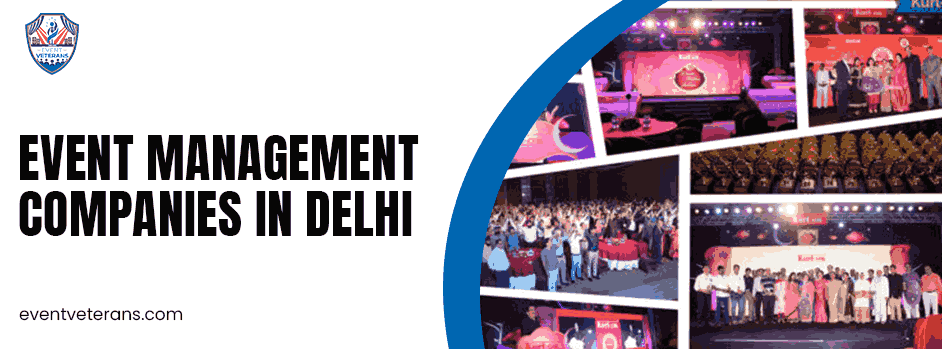
Event management companies in Delhi rely on a combination of preparation, experience, and adaptability to handle last-minute changes:
Contingency Planning
Before the event, experienced event coordinators create multiple contingency plans for possible disruptions. This includes alternate venues, backup equipment, and pre-arranged vendor substitutions. This planning ensures the team can respond without panicking.
Clear Communication Channels
Efficient communication with clients, vendors, and internal teams is essential. Event supervisors often use instant messaging, radios, or a central command station to coordinate quick responses. Clear communication reduces confusion and ensures everyone knows their role in resolving the issue.
Prioritization and Problem-Solving
During an emergency, event leaders quickly assess which problems need immediate attention and which can be postponed or managed more discreetly. This prioritization prevents small issues from escalating into larger problems.
Maintaining Calm and Professionalism
A calm demeanor reassures the team and attendees. Event coordinators act as leaders under pressure, making decisive choices while keeping everyone focused and composed.
Leveraging Technology
Modern events rely on technology, and event supervisors use it to monitor real-time updates, coordinate logistics, and adapt schedules. Tools such as event management software, mobile apps, and cloud-based platforms allow for quick adjustments and accurate reporting.
Post-Event Review
After the event, managers conduct a detailed review of what went wrong, how it was handled, and what improvements can be made for future events. This continuous learning process strengthens their ability to handle emergencies in the future.
Real-Life Example of Event Management in Action
Consider a corporate product launch planned outdoors in Sydney. Unexpected rain began an hour before the event. A professional event manager would immediately:
- Activate a pre-planned indoor backup venue.
- Notify vendors and attendees of the venue change.
- Adjust logistics, such as catering and seating, to fit the new location.
- Ensure technical equipment is quickly set up indoors.
Through quick thinking and pre-arranged contingency plans, the event proceeds with minimal disruption, and guests experience the launch as intended.
Why Hiring a Professional Event Supervisor is Worth It
The ability to handle last-minute changes and emergencies highlights the value of hiring a professional event leader. Their expertise saves you from:
- Stress: Clients can focus on their objectives rather than firefighting unexpected issues.
- Time: Event coordinators handle complex coordination quickly, avoiding delays.
- Financial Loss: Contingency planning reduces wasted resources and last-minute expenses.
- Reputation Risk: Smooth handling of emergencies maintains a professional image for corporate and public events.
In short, hiring a professional event supervisor ensures that even when things don’t go as planned, your event remains successful.
End Notes
Last-minute changes and emergencies are an inevitable part of event planning. What distinguishes a successful event from a chaotic one is the presence of an experienced event manager who can anticipate problems, respond quickly, and maintain professionalism under pressure. Their ability to coordinate vendors, communicate clearly, and implement contingency plans ensures that attendees have a seamless experience, no matter what challenges arise. For businesses and organizations seeking expert event management services, can trust us at Event Veterans. We offer a team of skilled professionals with years of experience handling corporate events, product launches, trade shows, and more. Our proactive approach, attention to detail, and ability to manage last-minute changes make them a trusted partner for any event.